More than 8,000 military personnel were removed from service for not complying with the vaccine mandate.
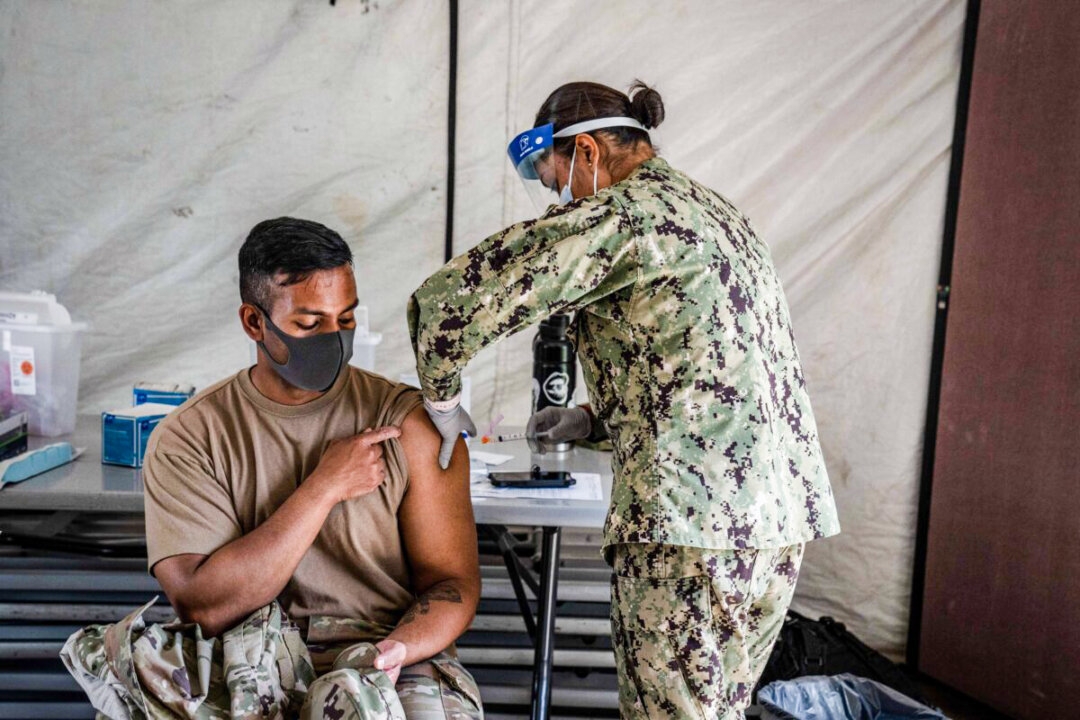
Thousands of veterans discharged from service under the Biden administration for refusing to take COVID-19 vaccines may potentially become eligible again for GI Bill education benefits, the Department of Veterans Affairs (VA) said in a Nov. 17 statement.
The GI Bill provides money to veterans and their family members to cover all or part of the costs of school or training. In 2021, during the administration of President Joe Biden, the military imposed a COVID-19 vaccine mandate. More than 16,000 personnel sought a religious exemption, with many requests being denied.
According to the VA, the Biden administration fired more than 8,000 servicemembers from the military following their refusal to comply with the mandate.
In January, upon entering office, President Donald Trump signed a presidential action titled “Reinstating Service Members Discharged Under the Military’s COVID-19 Vaccination Mandate.”
“The vaccine mandate was an unfair, overbroad, and completely unnecessary burden on our service members,” Trump wrote.
“Further, the military unjustly discharged those who refused the vaccine, regardless of the years of service given to our Nation, after failing to grant many of them an exemption that they should have received. Federal Government redress of any wrongful dismissals is overdue.”
Hegseth Speaks at 4th Annual Northeast Indiana Defense Summit
The presidential action called for ensuring that all members of the military discharged for not taking the vaccines be provided a chance for reinstatement.
The VA stated that more than half of the personnel fired under the Biden administration received a discharge characterized as “less than fully honorable.” This could make these veterans ineligible for GI Bill education benefits.
After a review by the War Department, it has been determined that 899 of the discharged veterans are now eligible for such benefits, according to the VA.
Moreover, thousands more could regain GI Bill eligibility because of Trump’s presidential action, the department stated.
“One of the most atrocious attacks on our military by the previous administration was the discharging and targeting of perfectly healthy warfighters who refused to take an experimental vaccine implemented by an illegal mandate,” War Secretary Pete Hegseth said in the VA statement.
“We must never let that happen again.
“We must also right the wrongs of the past in order to restore trust. We at the Department of War and the VA are grateful for President Trump’s Executive Order reinstating GI Bill benefits.”
In an official memorandum on Aug. 24, 2021, then-Secretary of Defense Lloyd J. Austin III announced the COVID-19 vaccine mandate for U.S. servicemembers.
“After careful consultation with medical experts and military leadership, and with the support of the President, I have determined that mandatory vaccination against coronavirus disease 2019 (COVID-19) is necessary to protect the Force and defend the American people,” he wrote.
“Service members are considered fully vaccinated two weeks after completing the second dose of a two-dose COVID-19 vaccine or two weeks after receiving a single dose of a one-dose vaccine.”
In its statement this week, the VA said it had already sent letters to discharged veterans in September, informing them about their potential eligibility for GI Bill education benefits. Once veterans receive official notification that their discharge status has been upgraded to fully honorable, they should submit a new education benefits claim, the agency said.
Slow Review of Exemption Requests
A March 2024 report released by the Pentagon’s inspector general found that U.S. military branches violated their own rules when handling COVID-19 vaccine exemption requests from personnel.
An analysis of 12 such religious exemption requests submitted to the Army found that it took 192 days on average for each request to get processed, more than double the 90 days mandated by the Army.
For the Air Force, reviewing 35 exemption requests took an average of 168 days per request despite a threshold of 30 days.
Following Trump’s presidential action in January to reinstate discharged military members, various military agencies have taken action to expedite the process.
For instance, in February, the War Department said it was preparing invitations to bring back troop members removed for refusing the COVID-19 shots.
In June, the Coast Guard announced that it would reinstate discharged servicemembers.
In October, a federal appeals court ruled to revive a legal challenge to the military’s COVID-19 vaccine mandate. Plaintiffs in the case are seeking damages, arguing that the vaccination requirement caused them harm.
Feds for Freedom, which had initially challenged the mandate, welcomed the decision.
“The harms done to our civil servants did NOT just disappear when the mandate was rescinded,” Stephanie Weidle, executive director of the group, said in a statement. “This decision is a tremendous leap towards justice!
“We look forward to further litigation regarding the discriminatory masking and testing policies.”