
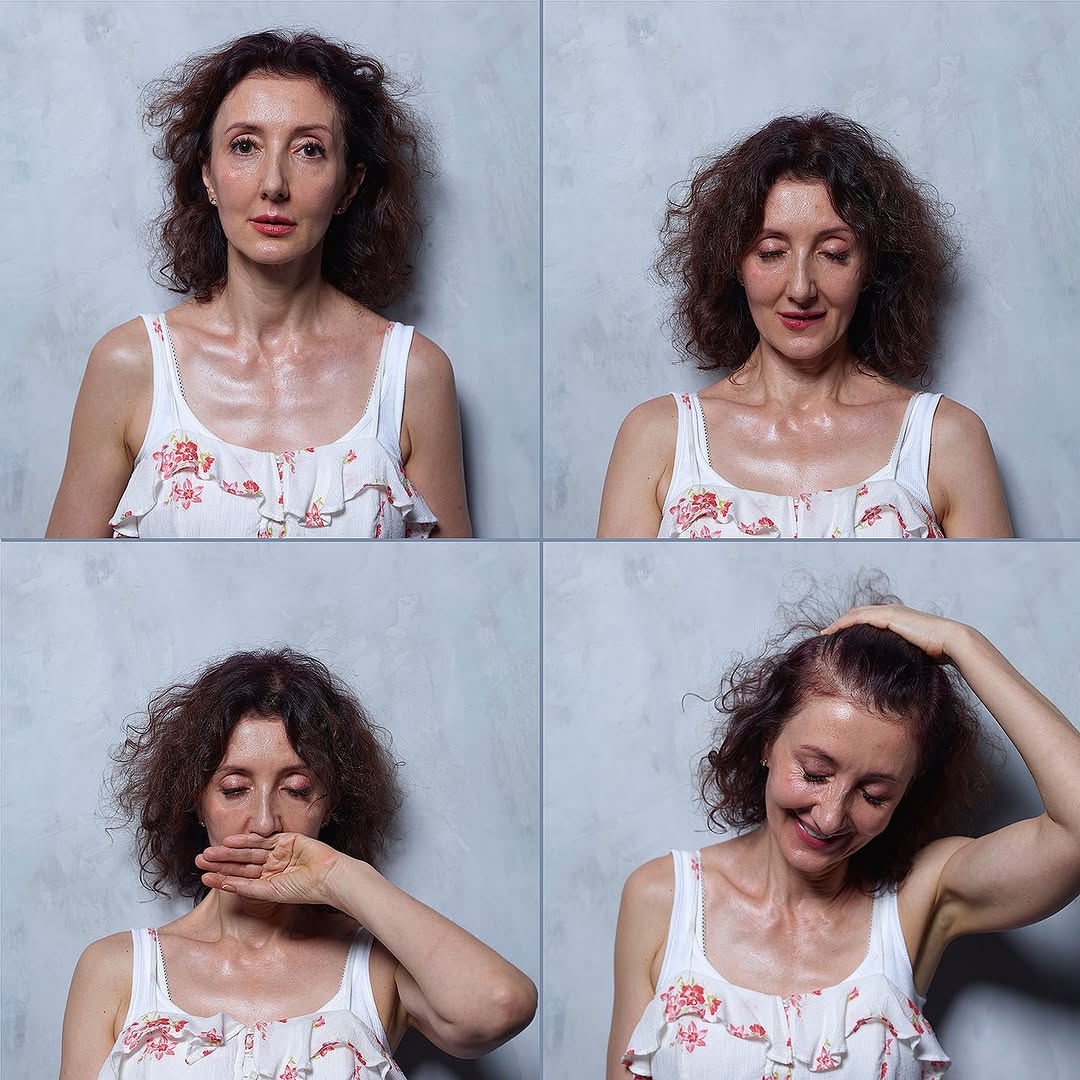
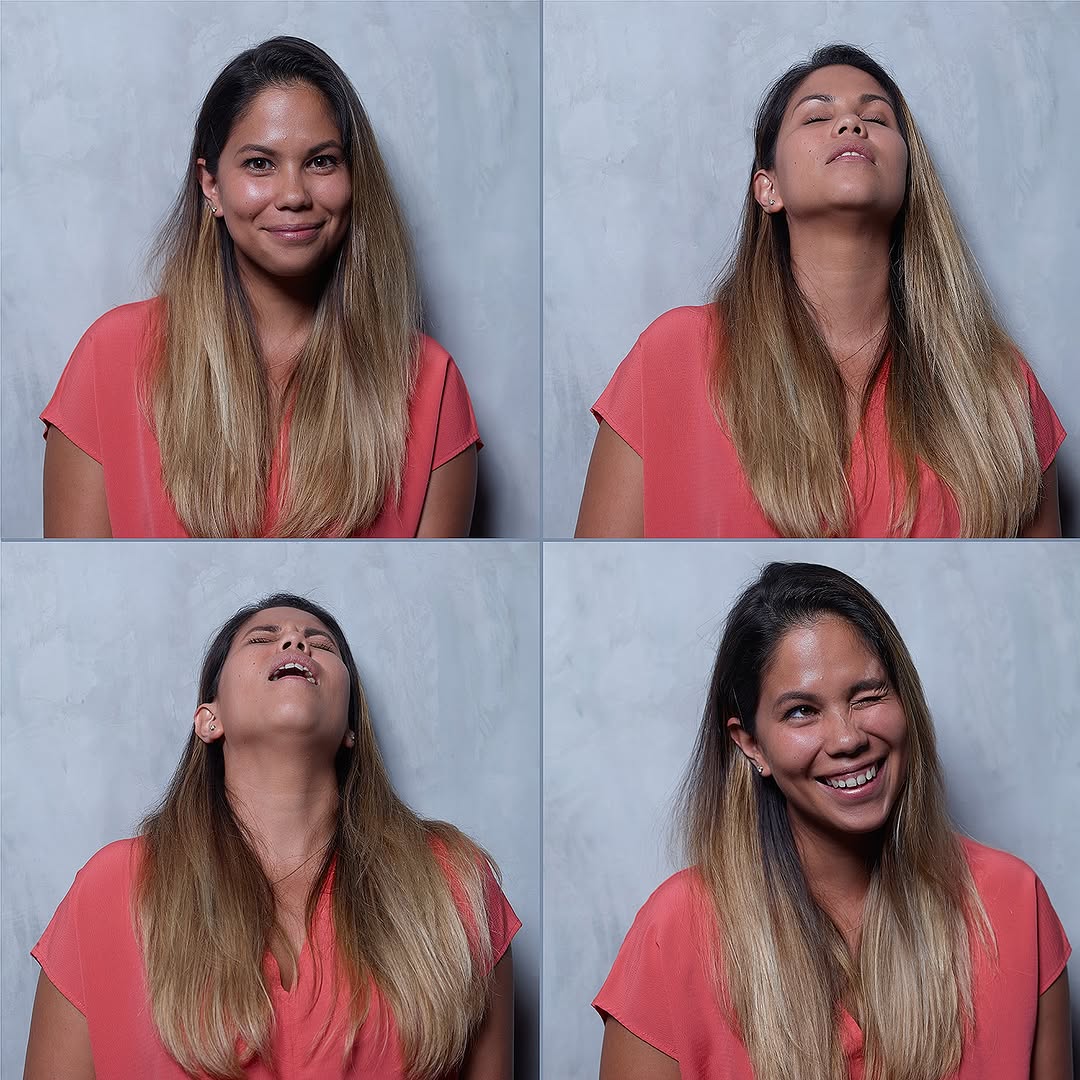
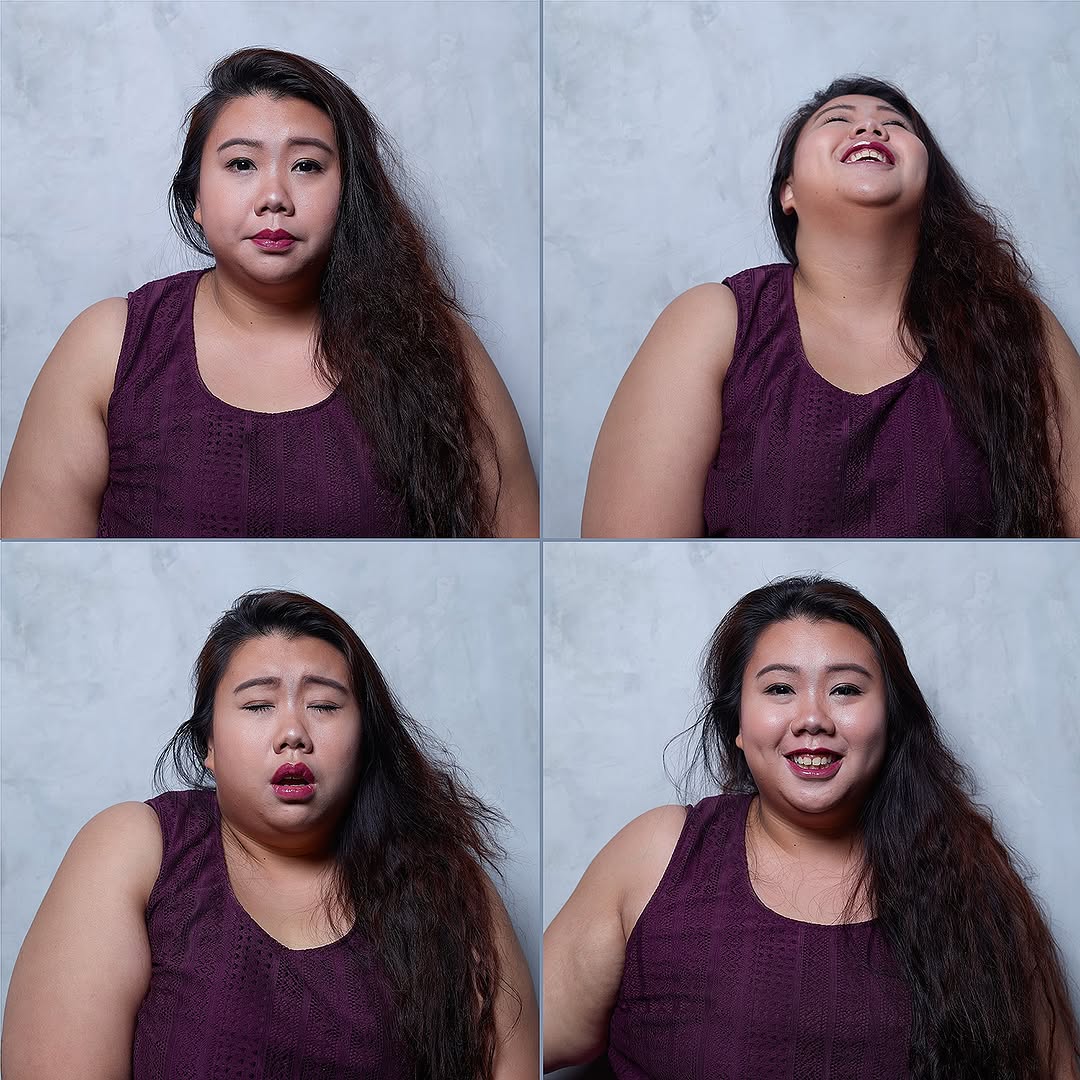
In his bold and revealing series titled The O Project, Brazilian photographer Marcos Alberti explores what happens to the female body and face in the moments surrounding climax, shining a sharp and empathetic light on the often-shrouded topic of orgasm effects on women. What makes this project stand out is the sincerity at its core.
Alberti wanted to show something real, something unfiltered, something far removed from the exaggerated or performative versions of pleasure that dominate popular culture. He invited women of different ages, backgrounds and nationalities to take part, giving them the opportunity to express themselves in a setting designed to feel safe and autonomous. His aim was to document the emotional arc and physical transformation that unfolds before, during and after orgasm, capturing small details that usually remain private and unseen. This approach created a body of work that feels human, honest and grounded in real experience rather than stylized fantasy.
Earlier Works and The O Project
Marcos Alberti had already gained global attention before creating this project. His earlier viral series “3 Glasses Later” showed how people’s faces and expressions shifted as they enjoyed one, two and three glasses of wine, offering a playful yet insightful look at how mood can change through something as simple as social drinking. That project revealed his interest in documenting genuine human response, and it helped establish his reputation for approachable yet thought provoking portrait work.
Behind the Lens, Creating a Space for Real Female Experience
With The O Project he expanded that curiosity into a more intimate territory. He partnered with a sexual well being brand to assemble a diverse group of more than twenty women from countries such as the USA, France, China and Singapore. Each participant was photographed in four stages of the experience, and the entire environment was structured to ensure they felt respected, safe and fully in control. The intention was never to create provocative images for shock value but to honor the participants and challenge outdated conversations about female pleasure.
The care taken behind the scenes is a defining feature of this project. The set was designed to prioritize comfort, privacy and consent so participants could relax without pressure or performance. Alberti has consistently described the process as collaborative, allowing each woman to participate on her own terms. This method kept the focus on empowerment rather than voyeurism, allowing the images to serve as a statement about autonomy and authenticity.

By presenting an intimate yet respectful view of female pleasure, the project seeks to deepen the conversation around female sexual health, bodily autonomy and the visible markers of sexual release. It highlights how real experiences of pleasure can be seen through genuine shifts in the body and mind, rather than idealized versions shaped by external expectation. The O Project brings attention to how orgasm effects on women reach far beyond brief sensation, influencing expression, and mood in ways that reflect both physical response and emotional release.
Alberti’s Intent Behind the O Project
Marcos Alberti approached The O Project with the goal of expanding conversations around women’s pleasure using imagery that felt human instead of clinical. While his previous work focused on changes in expression through everyday experiences, this project stepped into territory that had rarely been shown with honesty. Alberti has spoken about wanting to create a space where women could express their sexual experience without pressure or expectation and where the act of photographing the moment would carry respect rather than intrusion. That intention shaped how the project was developed, from the careful preparation of the environment to the supportive team who worked to make participants feel seen and heard.
A Shift in How Female Pleasure Is Represented
The O Project also arrived at a time when the visibility of women’s sexual experiences was still limited in many mainstream conversations. For decades media portrayals either objectified women or ignored their pleasure entirely, shaping public perception in ways that favored male satisfaction as the natural focus of intimacy. Alberti’s project pushed against that narrative by treating women’s sexual responses as worthy of attention in their own right. The work stood out because it centered women’s internal experience, not as something taboo but as something valid, natural and deserving of representation.

Historical Bias Toward Male Pleasure
Historically the prioritizing of male pleasure grew from social structures that placed men at the center of most intimate norms. In many cultures men were encouraged to explore their sexuality early while women were discouraged from asking questions about their own bodies. As a result conversations about female pleasure were often pushed into secrecy. This imbalance created a long lasting gap in understanding how women’s bodies respond to stimulation and why their sexual satisfaction deserves equal importance. By confronting that silence through artistic expression The O Project helped bring missing conversations back into public space.
Cultural Stigma Around Women’s Desire
The stigmatization of women’s sexual pleasure has roots in cultural beliefs that linked female desire to shame, modesty or morality. When a woman expressed desire she was often labeled in negative terms, while men who did the same were praised or excused. These double standards shaped generations of behavior and influenced how people viewed intimacy. The lack of open dialogue made it harder for women to express what they needed, which reinforced the false idea that female pleasure was unpredictable or secondary. Projects like Alberti’s counter that narrative by showing that women experience clear, natural physical responses that deserve respect and understanding.

The Role of Education in Misunderstanding Women’s Bodies
Another reason women’s pleasure has been overlooked is the limited education many people receive about female anatomy. Important structures like the clitoral network were rarely discussed in detail, leading to misunderstandings about how women experience arousal and climax. When the basic knowledge is missing it becomes easier for society to dismiss the significance of female sexual satisfaction. The O Project helped challenge that gap by encouraging viewers to recognize the physical reality of women’s bodies and the ways they respond during moments of release. It did so without turning the subject into spectacle, instead emphasizing that women’s sexual experiences carry depth, complexity and legitimacy.
So, what does happen to a woman when she experiences an orgasm?
Before Orgasm: The Build Up of Energy and Anticipation
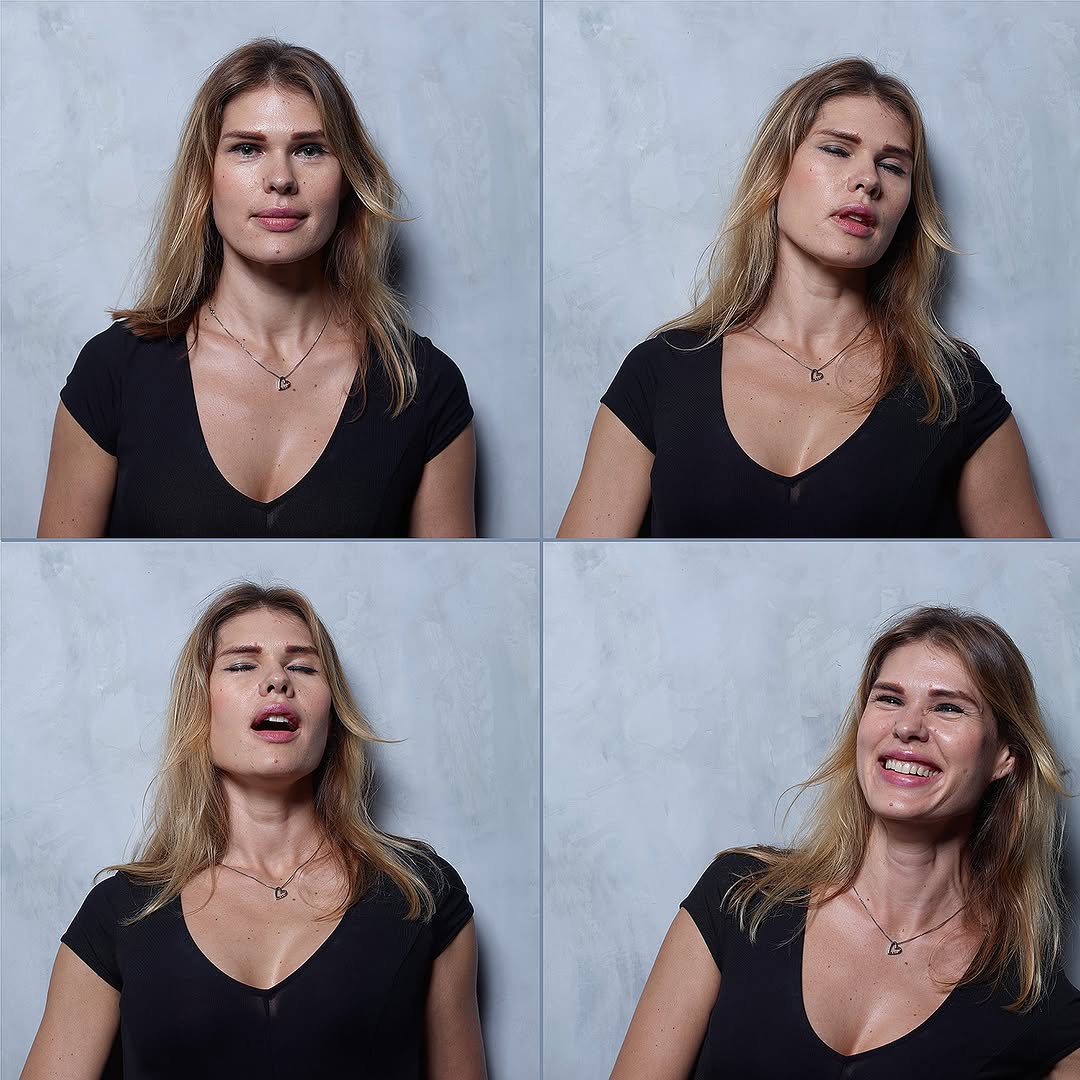
Before a woman reaches orgasm her entire body begins shifting into a more responsive state. Warmth spreads, breathing deepens and the mind becomes more focused on sensation. Small changes in rhythm, temperature and awareness signal that the body is preparing for a peak. Many women describe this stage as a slow gathering of energy, almost like a wave building strength. The body becomes more tuned in to touch, emotion and connection, and there is often a growing sense of expectation that feels both physical and mental.
During Orgasm: The Peak of Release
When orgasm arrives the body releases the tension it has been building. This moment often feels like a rush or a ripple that moves through the whole system. Breathing can quicken, the heart may race and everything seems to intensify for a few seconds. Many women describe it as a surge that takes over completely, pulling them into the experience in a way that feels powerful and uncontrollable. Emotion can rise just as strongly, bringing pleasure, relief or a sudden burst of joy. It is a brief moment but one that carries remarkable force.
After Orgasm: The Drop Into Ease
Right after orgasm the body quickly shifts into a softer, more relaxed state. Muscles loosen, the breath slows and a sense of calm often settles in. Some women describe feeling warm, floaty or simply content. Others experience a quiet stillness that makes them want to pause and savor the moment. This phase allows the body to reset after the intensity of the peak and it often leaves a lingering feeling of satisfaction that can last for a while.
The Emotional Reset
Beyond the physical sensations many women notice a change in emotional tone once the peak has passed. Stress can feel lighter, thoughts may feel clearer and the mind often enters a peaceful state. It is common to feel more open, connected or grounded. This emotional reset happens because the body releases natural chemicals that encourage relaxation and comfort, helping everything settle into balance again. This is part of what makes orgasm such a powerful experience, it supports both emotional and physical well being.

Sexual Health as a Foundation of Well Being
Sexual health plays a far bigger role in a woman’s overall well being than many people realize. It influences mood, confidence, stress levels and even the way someone feels in her own skin. When a woman’s sexual health is supported she often feels more connected to herself, more comfortable expressing her needs and more at ease in her daily life. Sexual health is not only about intimacy with another person, it is also about how a woman experiences her own body, her own desires and her own sense of worth. Feeling safe in these areas builds emotional stability and creates a healthier relationship with oneself.
Sexual Health and Stress Relief
A healthy sexual life also helps regulate stress. Moments of pleasure and release encourage the body to shift out of tension and into calm. When this balance is maintained regularly it supports clearer thinking, better sleep and a more grounded emotional state. For many women sexual well being acts like a natural reset button that helps soften the weight of the day. When women feel comfortable accessing pleasure without shame or pressure they experience a sense of freedom that extends into their work, relationships and creativity. This connection between sexual health and emotional stability is one of the most overlooked parts of wellness.

The Role of Communication
Sexual health is also tied to communication. When a woman learns to express her boundaries, preferences and needs she builds confidence that shows up in every part of her life. Being able to say what feels good, what feels uncomfortable or what feels emotionally important strengthens trust in relationships. It teaches both partners to listen more carefully and respond with more empathy. This kind of communication creates deeper intimacy because it removes guessing and uncertainty. It allows space for both people to feel valued and understood, which strengthens the entire foundation of a relationship.
The Power of Self Knowledge
Another important part of sexual health is self knowledge. When a woman understands her own responses she becomes more empowered. She can recognize stress triggers, emotional patterns and signals of imbalance more easily. This awareness makes it simpler to care for herself, whether that means slowing down, seeking connection or exploring healing. Sexual self knowledge also builds resilience because it teaches a woman to honor her needs instead of ignoring them. When she treats her own comfort and pleasure as important she sends a powerful message to herself about her own worth.

Sexual Health and Body Confidence
Sexual health also plays a major role in body image. When women experience pleasure without judgment they often develop a kinder relationship with their bodies. Instead of viewing themselves through a critical lens they begin to see their bodies as responsive, capable and deserving of care. This shift in perspective reduces self doubt and encourages a more positive sense of identity. Feeling comfortable in one’s body improves confidence in every area of life, from social interactions to personal goals.

Embracing Pleasure as Natural
Finally, the importance of sexual health lies in the simple truth that pleasure is a natural part of human experience. It is not something to hide or fear. It is something that helps women feel alive, connected and empowered. When sexual health is supported without shame it becomes a source of strength rather than silence. It encourages emotional stability, deeper relationships and a healthier connection to oneself. By treating sexual well being as a vital part of overall health women gain the freedom to experience their bodies with confidence, ease and authenticity.
Reclaiming the Truth Behind Women’s Pleasure
The O Project stands as a reminder that women’s pleasure is not something to shrink, dismiss or hide. It captures a level of honesty that is often missing from conversations about intimacy and it gives women permission to see their experiences as worthy of visibility and respect. By documenting real moments of release and expression the project challenges long standing beliefs that have pushed women’s pleasure into silence while placing men’s experiences at the center. It shows that the body speaks clearly when it is allowed to feel safe, supported and free from judgment, and that this expression deserves to be acknowledged without shame.
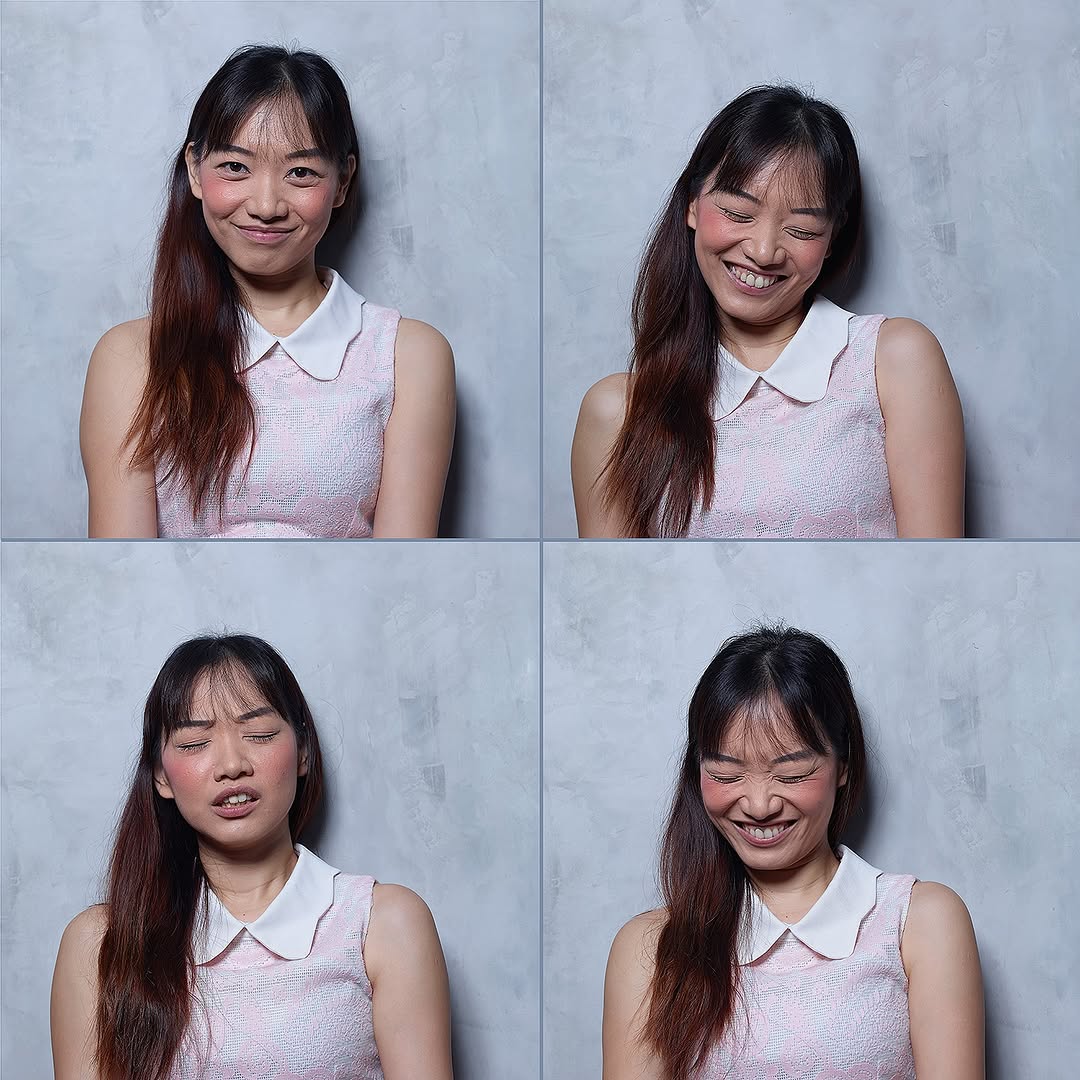
As the images and insights of The O Project suggest, women’s sexual responses are layered with emotion, energy and natural shifts that reflect both power and vulnerability. These changes are not trivial or indulgent, they are meaningful aspects of well being that influence confidence, stress levels and emotional health. When society recognizes this truth it becomes easier for women to understand themselves, communicate their needs and experience intimacy with a sense of ownership. This understanding creates space for more balanced conversations around orgasm effects on women and why those experiences matter.
It’s Time to Celebrate Sexual Health
Celebrating sexual health also broadens our understanding of womanhood itself. It honors the reality that women experience pleasure in ways that are personal, complex and deeply human. When those experiences are treated with dignity it helps dismantle the stigma that has discouraged open dialogue for generations. It also encourages women to explore their own responses with curiosity rather than guilt, building a stronger sense of identity and self trust.
In the end The O Project is more than a photographic series, it is a cultural statement that encourages women to reclaim their narratives. It invites readers to appreciate the fullness of female pleasure, talk about it more openly and value the very real shifts that happen before, during and after release. By acknowledging the genuine depth of orgasm effects on women we move closer to a world where sexual well being is treated as an essential part of overall health, not a subject to be hidden or minimized.