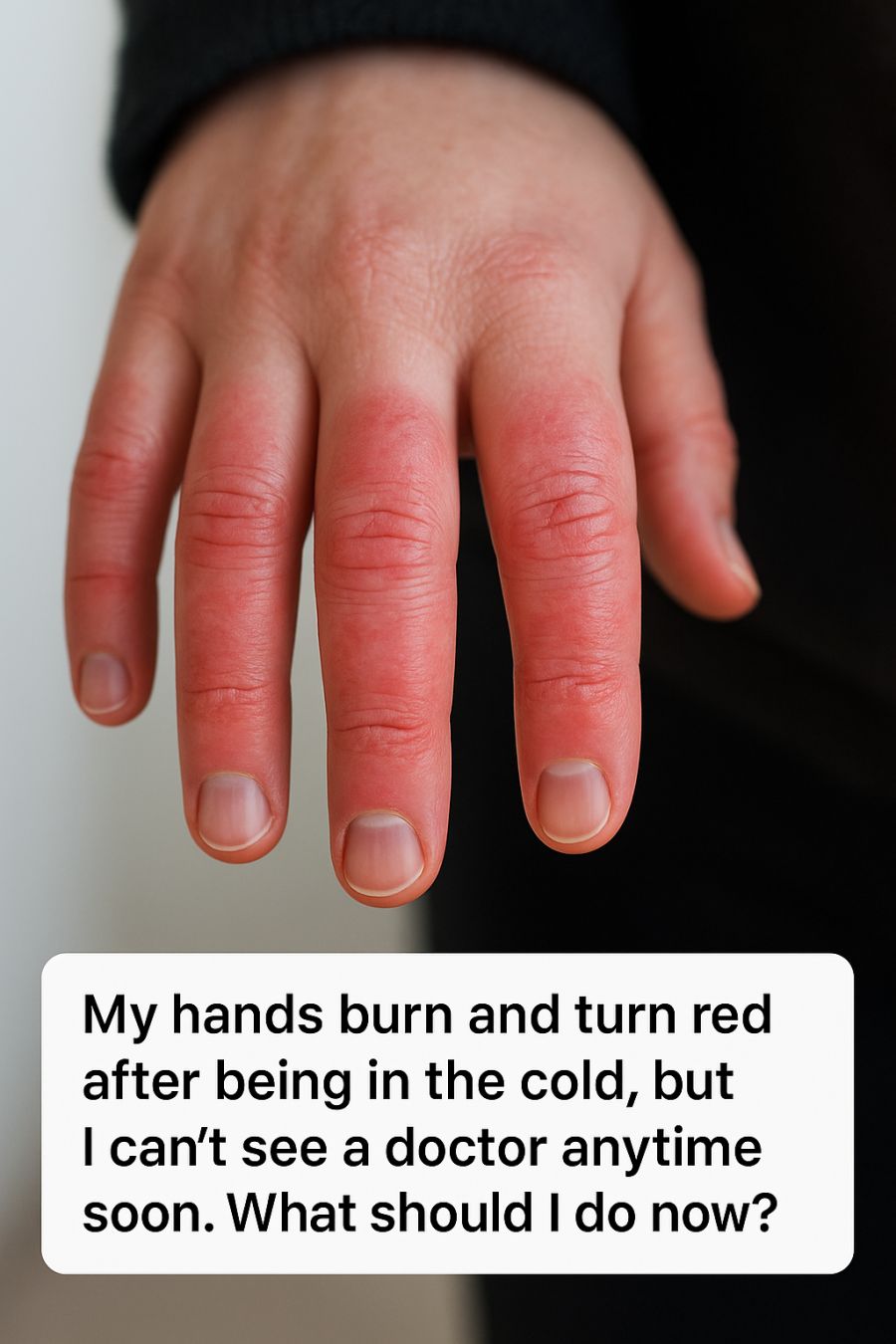

As winter approaches, many of us look forward to cozy evenings by the fire and the beauty of snow-covered landscapes. However, for some, cold weather also brings discomfort in the form of burning, red hands. It can be concerning, especially if you don't have immediate access to medical care. Understanding why this happens and what you can do about it is crucial for your comfort and peace of mind.
When your hands burn and turn red after exposure to the cold, it can be both painful and worrisome. These symptoms might indicate a condition like chilblains, which is more common than you might think. This article will cover potential causes, immediate steps you can take to alleviate symptoms, and tips for preventing recurrence, all while you wait to see a healthcare professional.
1. First, Could This Be Chilblains (Pernio)?
Chilblains, also known as pernio, are small, itchy, red patches that appear on the skin after exposure to cold and damp conditions. They occur when the small blood vessels in the skin become inflamed due to rapid changes in temperature. This condition is more common in women and individuals with poor circulation. Chilblains typically affect the fingers, toes, ears, and face, but hands are often the first to show symptoms.
In addition to redness and burning, chilblains can cause swelling, blistering, and in some cases, skin ulcers. The size of the affected area can vary but typically measures between 1 to 3 centimeters. Although chilblains are uncomfortable, they usually improve within one to three weeks with proper care and without the need for medical intervention.
2. Red-Flag Symptoms: When It Really Can’t Wait for a Doctor
While chilblains are generally not serious, certain symptoms indicate a need for immediate medical attention. If you notice severe pain, extensive swelling, or signs of infection such as pus, increased redness, and warmth, you should seek medical care promptly. These could indicate complications that require professional intervention.
Furthermore, if you experience persistent numbness, changes in skin color (such as a bluish tint), or ulcers that do not heal, these could be signs of more serious conditions like frostbite or Raynaud's phenomenon. In such cases, delaying medical care can lead to permanent damage, so it's essential to consult with a healthcare provider without delay.
3. Simple Warm-Up Routine to Soothe Burning, Red Hands
To alleviate the discomfort of burning and red hands, start with a gentle warm-up routine. Begin by moving indoors to a warmer environment. Avoid direct heat sources like radiators or hot water, as these can worsen your symptoms. Instead, use lukewarm water to gently warm your hands.
Try clenching and unclenching your fists or rotating your wrists to stimulate circulation. You can also hold a warm (not hot) compress against your hands. This helps gradually restore blood flow and reduce inflammation, providing relief from burning sensations.
4. The Right Way to Rewarm Cold Hands (And Common Mistakes to Avoid)
Rewarming cold hands should be done gradually to prevent further irritation. One common mistake is using excessively hot water, which can cause rapid vasodilation and increase pain. Instead, immerse your hands in lukewarm water for about 15 to 20 minutes, allowing them to adjust slowly to the temperature.
Avoid rubbing your hands vigorously, as this can damage the skin and exacerbate redness. Instead, pat them dry gently with a soft towel. Applying a moisturizer immediately after drying can help lock in moisture and soothe the skin.
5. Layering and Glove Hacks to Protect Your Hands Outdoors
Proper layering is essential to protect your hands from cold weather. Start with thin, moisture-wicking gloves made of materials like silk or synthetic fibers as your base layer. These help keep your skin dry, which is crucial in preventing chilblains.
Over this, wear a thicker pair of insulating gloves made of wool or fleece for warmth. Finally, add a waterproof outer layer to shield your hands from wind and moisture. If you need to use your fingers for tasks, consider mittens instead of gloves, as they provide better warmth by keeping your fingers together and reducing heat loss.
6. At-Home Skin Care: Gentle Creams, Ointments, and Barrier Tricks
Taking care of your skin is vital to prevent and manage chilblains. Use creams and ointments that contain ingredients like lanolin, glycerin, or urea to help moisturize and protect your skin. Apply these products after washing your hands and before going outdoors.
Barrier creams can provide an additional layer of protection against the elements. Look for products designed to create a protective film on the skin, preventing moisture loss and shielding your hands from harsh weather conditions.
7. TikTok and Viral Hacks: What Actually Helps—and What to Skip
Social media is full of hacks for dealing with cold weather issues, but not all are effective or safe. One popular tip is using petroleum jelly as a barrier cream, which can be helpful, but avoid applying it to broken skin as it can trap bacteria and cause infection.
Another viral hack involves using hand warmers inside gloves. While this can be beneficial, ensure that the warmers are not in direct contact with your skin to avoid burns. Skip remedies that involve applying heat directly to the skin, like using hairdryers or electric heating pads, as these can cause burns and worsen symptoms.
8. Everyday Habits That Make Chilblains Worse Without You Realizing
Certain habits can unintentionally worsen chilblains. Smoking, for example, constricts blood vessels and reduces circulation, exacerbating symptoms. Similarly, drinking caffeine can have a similar effect, so it's wise to limit intake during cold spells.
Wearing damp clothing, including gloves, can also aggravate the condition. Always make sure your hands are dry before putting on gloves, and change out of wet clothes immediately after being outside. Staying hydrated and maintaining a healthy diet rich in vitamins C and D can support your body's ability to regulate temperature and heal skin.
9. Quick Home Remedies to Ease Pain and Itching Safely
To ease pain and itching associated with chilblains, try natural remedies like aloe vera gel, which has anti-inflammatory properties. Apply it gently to affected areas to soothe irritation.
Another option is applying a paste made from baking soda and water, which can help reduce itching. Oatmeal baths are also known for their soothing effects on irritated skin. Soak your hands in a basin with warm water and colloidal oatmeal for 10-15 minutes to relieve discomfort.
10. How to Monitor Your Symptoms Until You Can See a Doctor
Keeping track of your symptoms can be helpful until you can see a healthcare professional. Note any changes in the size, color, or pain level of affected areas daily. Take photographs to document progress, as this can be useful information for your doctor.
If you notice any worsening of symptoms or new developments like blisters or ulcers, prioritize seeking medical attention. Use a diary to record any triggers, such as specific weather conditions or activities, that seem to exacerbate your symptoms.
11. When to Use Telehealth, Pharmacies, and Nurse Lines for Extra Help
Telehealth services can be a valuable resource when you can't see a doctor in person. Many healthcare providers offer virtual consultations where you can discuss your symptoms and receive advice on managing them. Pharmacies often have knowledgeable staff who can recommend over-the-counter treatments and preventative measures.
Nurse lines, typically available through healthcare plans or local clinics, can provide guidance on whether your symptoms require immediate attention or can be managed at home. They can also offer advice on symptom management and home care tips.
12. Long-Term Prevention: Keeping Chilblains From Coming Back Next Winter
Preventing chilblains in the long term involves a combination of lifestyle changes and proactive measures. Ensure that you dress appropriately for the weather, with adequate layers and protective gear. Avoid rapid temperature changes by gradually acclimating to indoor temperatures after being outside.
Regular exercise can improve circulation, reducing the likelihood of chilblains. Additionally, maintaining a healthy diet and staying hydrated supports skin health and resilience. Consider consulting a healthcare provider for advice on supplements or medications that might help prevent chilblains, especially if you are prone to them.