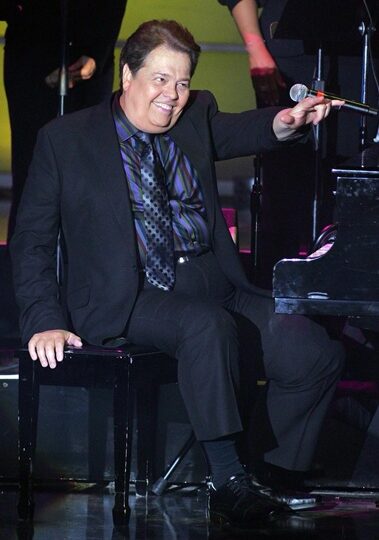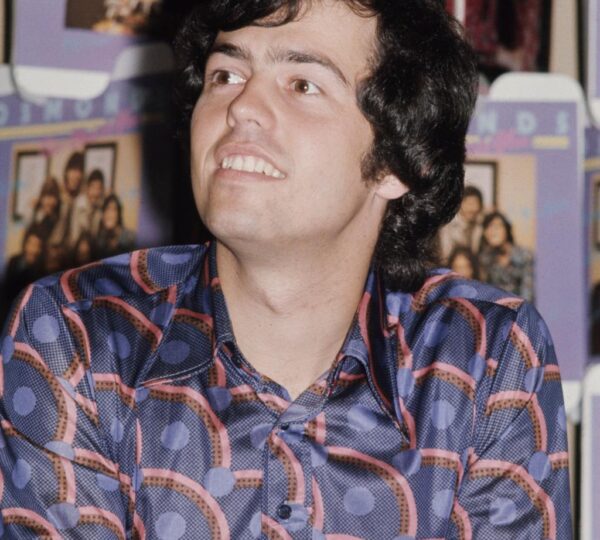
As the oldest of the performing Osmond brothers, Alan naturally assumed a leadership role from an early age, helping guide his younger siblings in rehearsals, harmonies, and performances.
The Osmond family originally began performing locally in church and community settings. Alan, alongside his brothers Wayne, Merrill, and Jay, formed the early foundation of what would eventually become one of America’s most recognizable family music groups.
Even in childhood, Alan showed strong organizational skills and a sense of responsibility, often helping coordinate rehearsals and guiding vocal arrangements that would later define the group’s polished sound.
Formation of The Osmonds and Early Success
The early version of The Osmonds began as a barbershop-style quartet. Their tight harmonies and disciplined performances quickly attracted attention. As their talent developed, the group expanded and began performing professionally on larger stages.
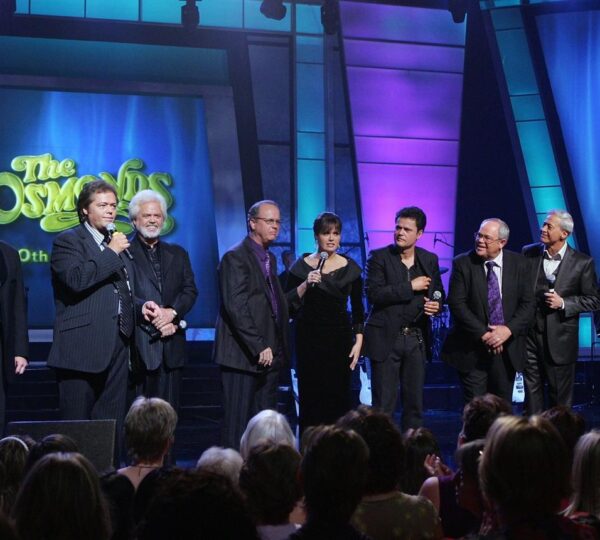
A major breakthrough came when the Osmonds were invited to appear on The Andy Williams Show, a highly popular television program in the United States.
This exposure introduced them to a national audience and marked the beginning of their rise to fame.
Their performances stood out because of their precise harmonies, coordinated stage presence, and youthful energy. Alan Osmond, in particular, was instrumental in maintaining discipline and consistency during live performances and studio recordings.
Rise to International Fame
During the early 1970s, The Osmonds became a global music phenomenon. Their blend of pop, rock, and family harmony music helped them appeal to a wide audience across the United States, Europe, and beyond.
Alan Osmond played a key behind-the-scenes role in the group’s creative direction. While other members often took center stage as lead vocalists, Alan contributed heavily to arrangement decisions, vocal structure, and production planning.
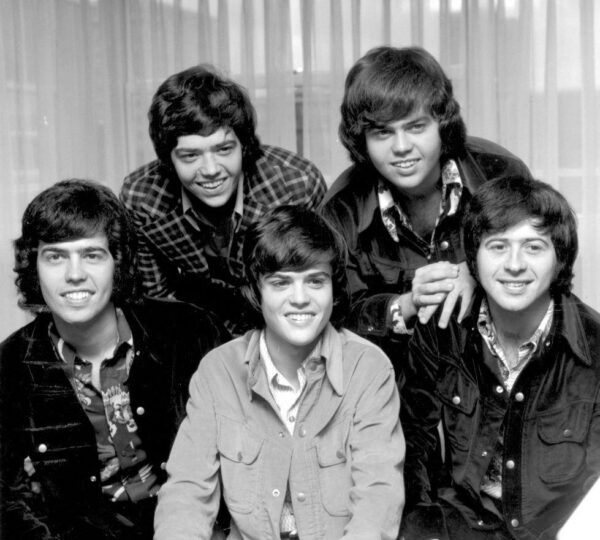
The group became known for their professionalism and ability to deliver near-perfect performances with minimal retakes, earning them the nickname “The One Take Osmonds.”
This efficiency was not only artistic but also practical, as strict performance schedules and regulations for young performers required careful time management and preparation.
Musical Evolution and “Crazy Horses”
As the group matured, The Osmonds began exploring different musical styles beyond their early pop sound. One of their most notable creative shifts came with the release of “Crazy Horses,” a track that showcased a heavier rock influence.
Alan Osmond was closely involved in shaping this new direction. The song “Crazy Horses” is often recognized as one of the group’s boldest creative moves, demonstrating their ability to evolve musically while maintaining their signature harmony style.
This period helped the Osmonds transition from a teen pop group into more versatile recording artists, capable of crossing genres and appealing to different audiences.

Television Success and Popular Culture Impact
Beyond music recordings, The Osmonds became widely known through television appearances and variety shows. Their presence on TV helped solidify their status as household names during the 1970s.
Alan Osmond contributed significantly to the group’s television professionalism, ensuring performances were tightly coordinated and visually engaging. Their appearances often combined music, choreography, and entertainment storytelling.
The success of Donny and Marie Osmond in later television projects also extended the family’s cultural influence, further embedding the Osmonds into American entertainment history.
Military Service and Personal Development
In addition to his music career, Alan Osmond served in the California Army National Guard. He was stationed at Fort Ord, where he worked in an administrative role within an artillery unit.
His military service reflected a different side of his personality—structured, disciplined, and committed to responsibility outside the entertainment world.