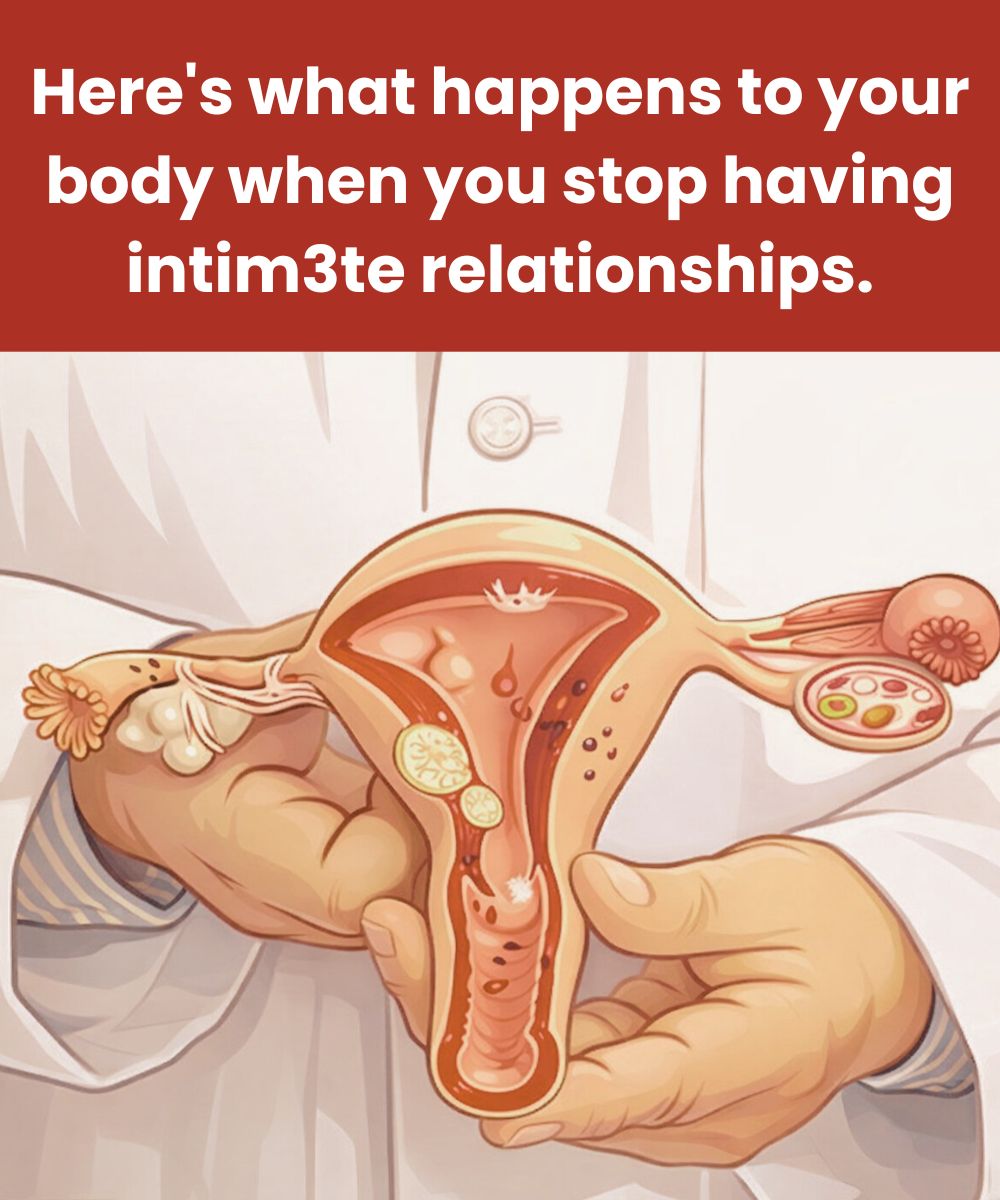
Why Declining Intimacy in Midlife Can Increase Depression Risk
Middle age often looks calm on the surface, yet many people experience deep emotional strain during this stage of life. Career demands, family responsibilities, health changes, and shifting identities create pressure. One overlooked factor is intimacy — and when it fades, emotional well-being can suffer.
Intimacy Is More Than Sex
Intimacy includes affection, emotional closeness, feeling understood, and physical touch. While sexual frequency may naturally decline, losing everyday connection can leave people feeling unseen.
“Lack of closeness often comes from stress, not lack of love.”
How Intimacy Affects the Brain
Connection releases oxytocin, dopamine, and serotonin — chemicals that regulate mood. When intimacy decreases, these natural stabilizers fade, increasing the risk of low mood, irritability, and emotional numbness.
Emotional Isolation in Relationships
Many people feel lonely even while partnered. Conversations become functional, touch disappears, and silence replaces closeness, slowly eroding self-worth.
Protecting Mental Health Through Connection
Small gestures matter: shared conversations, gentle touch, and emotional openness.
“Connection is not a luxury — it’s a mental health necessity.”
Rebuilding intimacy can be one of the most powerful ways to protect emotional health in midlife.